
We design and build integrated agricultural systems that deliver sustained income growth.
Success is measured by whether the system continues to perform after we exit.
This is usually a system design problem, not a single actor execution problem. Agriculture is a system where soil, water, inputs, knowledge, markets, and finance all determine whether gains materialize and endure. When critical elements are missing or misaligned, the others underperform or decay.
The challenge is structural. Development actors typically operate within specific mandates: infrastructure, training, credit. Coordination across organizations is slow and often superficial. The result is that interventions succeed individually while the broader system remains constrained. What is missing is accountability for system level performance over time.
THE SYSTEM PROBLEM
Agricultural development often underperforms because interventions are deployed in isolation. Improved seeds without reliable input supply. Irrigation without soil management. Training without market access.
Projects can perform while systems underperform.
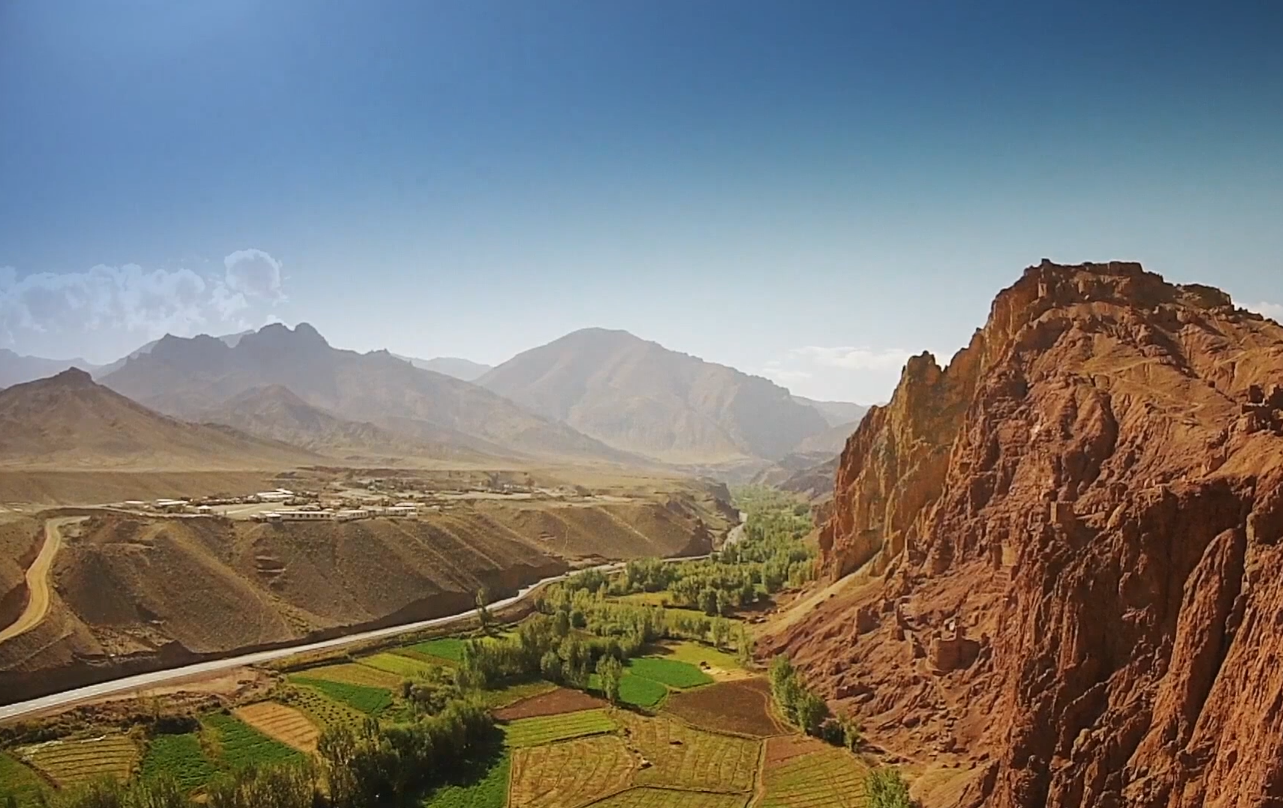
We operate as system integrators. We design interventions that account for how soil, water, inputs, markets, and capital interact, then integrate those elements until the system sustains itself.
We work through local operators and institutions, building their capacity while retaining accountability for system level performance. Capital is deployed catalytically to unlock specific bottlenecks such as roads, input supply, and working capital, with the expectation that local operators and market actors assume these functions as returns become predictable. Our role is catalytic, not operational in perpetuity.
HOW WE WORK
Coordination manages activity; integration manages outcomes.
Implementation is iterative. Early assumptions are tested against real behavior. When results diverge from expectations, we adjust. Exit is planned from the beginning and executed as operators and institutions demonstrate the capacity to sustain performance.
Success is a system that runs without us.
This model suits contexts where agricultural potential significantly exceeds current performance, where system infrastructure is weak, and where sustained engagement can catalyze durable local capacity.
WHERE THIS FITS
Developing and transition economies. Smallholder dominated agriculture. Fragmented value chains. Not where markets already function well or where the problem is marginal optimization.
Two decades of operations have clarified recurring patterns in what allows agricultural systems to deliver sustained income and where gains tend to erode.
WHAT WE’VE LEARNED
In Afghanistan, the Commercial Horticulture and Agricultural Marketing Program (CHAMP) succeeded because supply and demand side conditions were built in coordination, interventions were sequenced carefully, and crop and variety choices were tied to market demand and net income improvement. Productivity gains held because farmers invested in crops and varieties buyers wanted, prices justified the effort, and supporting functions were in place when needed.
Supply and demand must be developed together, and sequencing determines whether gains hold.
The lesson is not about promoting specific crops, but about aligning production choices with demand and introducing system improvements in an order that allows income gains to stick.
In Vietnam, the SHADE program succeeded because we implemented with and through institutions that demonstrated operational competence, including public agencies, producer organizations, and market actors, rather than relying on parallel project structures. By embedding training, coordination, and oversight within systems that already interacted with farmers and markets, we reduced delivery costs, avoided duplication, and strengthened capacity that persisted beyond project timelines. As local partners proved reliable, they became assets not only for implementation but for transition.
Working through capable local institutions lowers costs and enables credible exit.
Exit was viable because core functions were institutionalized within organizations positioned to sustain performance without external management.
In Guatemala’s Western Highlands, irrigation systems designed with local components and adapted to local terrain and water conditions enabled farmers to move beyond single cycle subsistence production. Reliable water access made it possible to add additional market oriented production cycles while preserving staple crops for household use. Income gains held only where irrigation was paired from the outset with soil health management, crop rotation, and market aligned crop and variety choices.
System support must be comprehensive, not modular.
The lesson was not irrigation as infrastructure, but water as a productive input, effective only when deployed in step with soil stewardship, agronomic discipline, and market timing.
Partial solutions deliver partial results.
Exit timing is shaped by institutional durability, not technical readiness alone. Across contexts, we learned that transition plans fail when governance and market institutions cannot yet absorb responsibility. Exit decisions now account for institutional durability as carefully as operational performance.
Across countries, the outcome target remained constant: sustained improvement in household income. What varied were crops, markets, and tools. What endured was a common discipline: coordinate supply and demand, ground production choices in net income potential, and sequence interventions so each change reinforces the next.
Country teams are led by nationals with operational authority. We build system performance with and through producer organizations, traders, processors, and capable public institutions, strengthening their capacity while maintaining accountability for outcomes. External expertise is applied only where specialized constraints exist. We exit when these partners can sustain performance independently.
HOW WE’RE BUILT
Partner With Us
For partners focused on durable system performance and willing to commit to the time horizons such change requires, we welcome the conversation.